
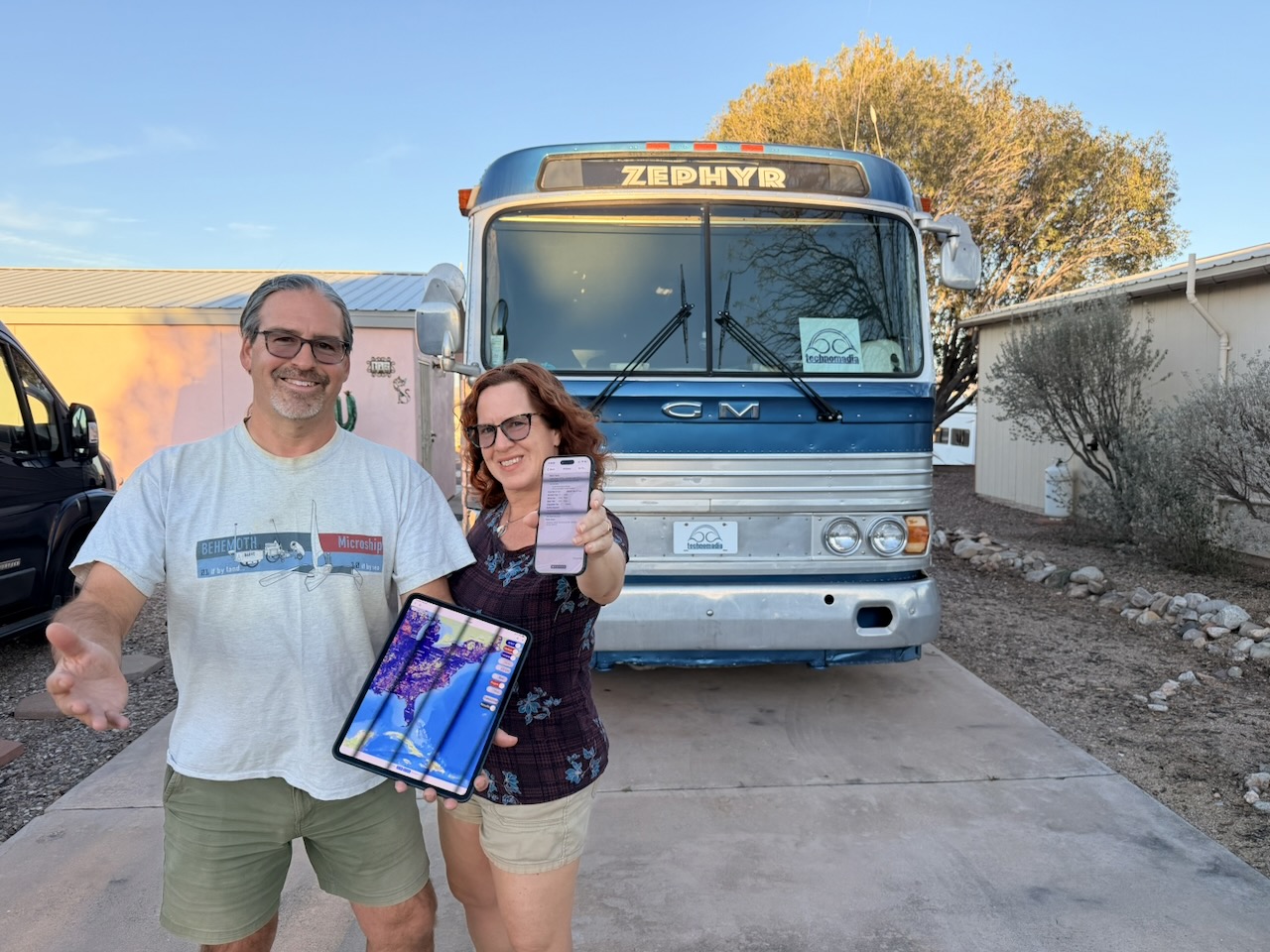
Our journey as app developers all started when we tried to buy some beer… in Kansas.
As many of you might not know – up until recently, it was illegal to sell “real” beer in grocery stores in the Sunflower State.
But way back in November of 2009 when we were working a stint at an Amazon warehouse in Coffeyville, KS (which ended up as a feature story in Gizmodo – The Secret Lives of Amazon’s Elves) – we discovered this harsh reality when we struggled to find worthwhile beverages to relax with after working the night shift packing countless boxes.
We weren’t Kansas natives – and the local rules caught us totally by surprise.
It was a reminder just how much things could change while traveling from state to state.
The memory of our beer shopping disappointment was still lingering in May 2010 – when I was looking for a coding project to use to explore the iPhone development SDK, which was still very very much in its early (iPhone OS 3!) days.
We brainstormed – what if there was an app that allowed you to track different laws that varied from state to state?
And thus our first iOS app, ‘State Lines‘, was born.
Eventually ‘Coverage?‘ and ‘US Public Lands‘ also joined the Technomadia App Collection – and we even branched out into the Android World and the Google Play store.
Now $474k of revenue and 15+ years later – what have we learned on our app development voyage?
Here’s a quick walk through our app development history – and some hard numbers too.
Video Version
Our App Development History
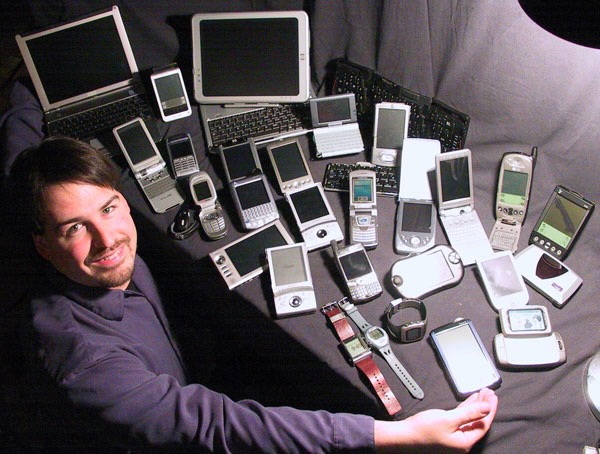
Long before she met me – Cherie had done some PalmOS development for clients of her software development business.
And I actually worked for Palm in the early 2000’s as the Director of Competitive Analysis – responsible for dissecting every competitive mobile platform out there, and evangelizing developers to focus on PalmOS and not PocketPC or Symbian or RIM.
My final project at PalmSource was leading “Project Waterworks” – which was set to enable a simple on-device app purchasing experience integrated right into the operating system, years before Apple’s iPhone.
In 2005 PalmSource (the software half of Palm) imploded, Waterworks was canceled, and I set off to be nomadic rather than dive back into the Silicon Valley rat race.
But a love of mobile technology and software development were one of the many things Cherie and I had in common when we met and merged our lives in 2006.
So when the iPhone and the App Store came along, we of course got involved right from the start.
Here are the highlights of our app development history…
-
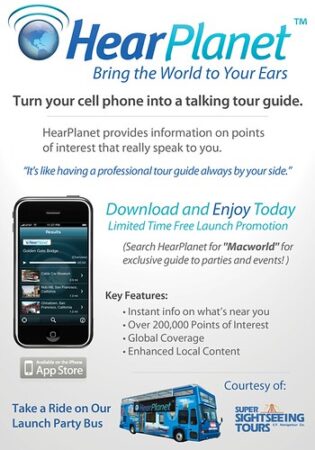
We handed out these flyers around MacWorld – inviting people to hop on our party bus for an app demo. 2008/2009 – HearPlanet – Apple first released the App Store in July 2008, and MacWorld in January 2009 was the first major trade show with a focus on apps. To make a splash – San Francisco tech startup HearPlanet hired us as Launch Specialists to come up with a plan to debut their audio tour guide app. We delivered – with a double-decker DJ-blasting tour bus circling MacWorld and taking media and VIP’s around San Francisco. It was a wild experience – and resulted in major media coverage and press features, and HearPlanet even ended up featured in Apple advertisements.
- May 2010 – State Lines – This was our first independent iOS project – a simple app to learn the SDK’s, and to help us recover from the indignity of beer shopping in Kansas. State Lines today tracks around 45 different things that change as you cross the state line – from taxes, alcohol laws, electronic devices, eBikes, helmets, state park fees, single use plastic bags and overnighting in rest areas.
- December 2010 – ‘Coverage?’ – In August of 2010 we attended the iOSDevCamp, and participated in a hackathon challenge to build an app over the course of the weekend. Our idea – to create a tool that would let you explore and compare the cellular carriers’ coverage maps, and to have it work offline so that you could find coverage (and avoid roaming) even when you had poor signal. After two all-nighters, Cherie and I showed off a working prototype of ‘Coverage?’ and managed to win the “Most Useful” award at the conference! It took us until December to polish ‘Coverage?‘ into something worthy of release – and it has been going strong ever since. Particularly in the early days before 4G (and then 5G) was nationwide, ‘Coverage?’ was often featured on essential app lists – including as part of a featured story in Wired Magazine!
- 2013 – State Lines on Android – We didn’t have much personal interest in diving into other platforms, but we were always open to partnering with anyone who wanted to port our apps. WebOS and Windows Mobile ports of State Lines had sold so few copies that they proved not at all worth the effort – but when fellow nomad Robert Lee of Hired Gun Technology offered to take us into the Android world, a long standing partnership began in 2013.
- 2014 – US Public Lands – Similar to ‘Coverage?’ – but instead of an offline guide to carrier coverage maps, US Public Lands gives you a fast and interactive offline guide to the boundaries of public lands owned by the US government. For the wonderful story beyond US Public Lands, read this great account. Our partnership with Hired Gun allowed us to bring out the Android version just a week after iOS.
- 2017 – ‘Coverage?’ Subscriptions & Android Support – When ‘Coverage?’ launched in 2010 there was no such thing as in-app purchase or subscriptions. This meant every one-off purchase was getting at least four free updates a year, and we were getting nothing to encourage us to keep up those time consuming updates. In 2017 we completely redesigned ‘Coverage?’ to have in-app purchase support to unlock Canadian maps, and to offer an annual subscription for new HD maps with 4x the detail. We also partnered with Hired Gun to handle creating an Android version, and in return for 50% of the revenue we let them take over the ongoing iOS app maintenance too. We could at last step back from constantly chasing bugs and SDK changes! The other big shift – we worked out a partnership with Ookla® (the SpeedTest.net® company) to use their raw map data and integrate SpeedTest into ‘Coverage?’ – saving us the painful work creating our own cartography.
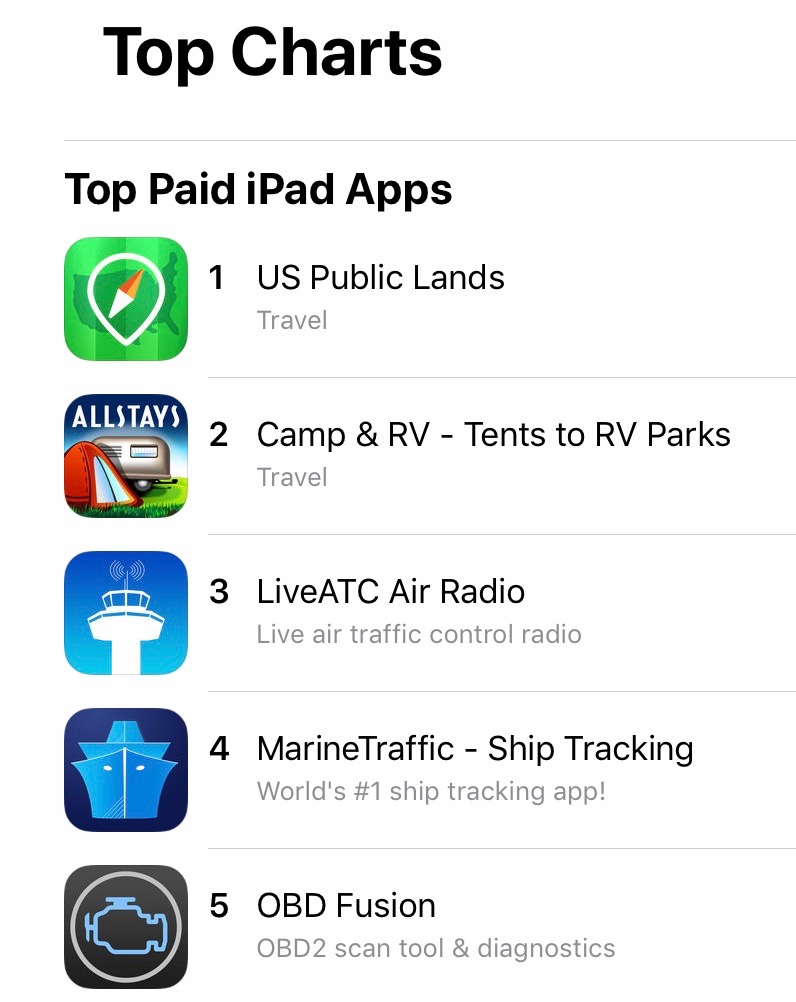
- 2019 – US Public Lands Goes HD – A major update to US Public Lands took advantage of much more detailed source data, for higher resolution maps. This turned this app into an even more useful tool – becoming widely regarded as an essential tool for RV boondockers. In recent years, US Public Lands has eclipsed ‘Coverage?’ as our best seller.

We’ve now reached a nice equilibrium.
Hired Gun keeps up the code, we keep up the content – and things have been running smoothly ever since…
Lifetime Revenue Numbers
So how lucrative has app development been?
Here are the hard numbers….
Revenue Figures – All Apps: (Lifetime Through 2/26/2026)
- Lifetime Gross Revenue: $474,621.43
- Lifetime Net Revenue: $379,473.36 (after App Store fees and refunds are processed)
Lifetime – By App:
- ‘Coverage?’ – iOS: $136,874.63
- ‘Coverage?’ – Android: $21,596.86
- US Public Lands – iOS: $113,250.99
- US Public Lands – Android: $46,831.93
- State Lines – iOS: $18,279.35
- State Lines – Android: $6,328.46
The Apple App Store allowed us to offer our apps in a bundle as “The Technomadia App Collection”. Even if someone has already purchased one app, they can “Complete My Bundle” and buy the rest at a discount. This has been very popular:
- Technomadia App Collection Bundle – iOS: $36,265.69
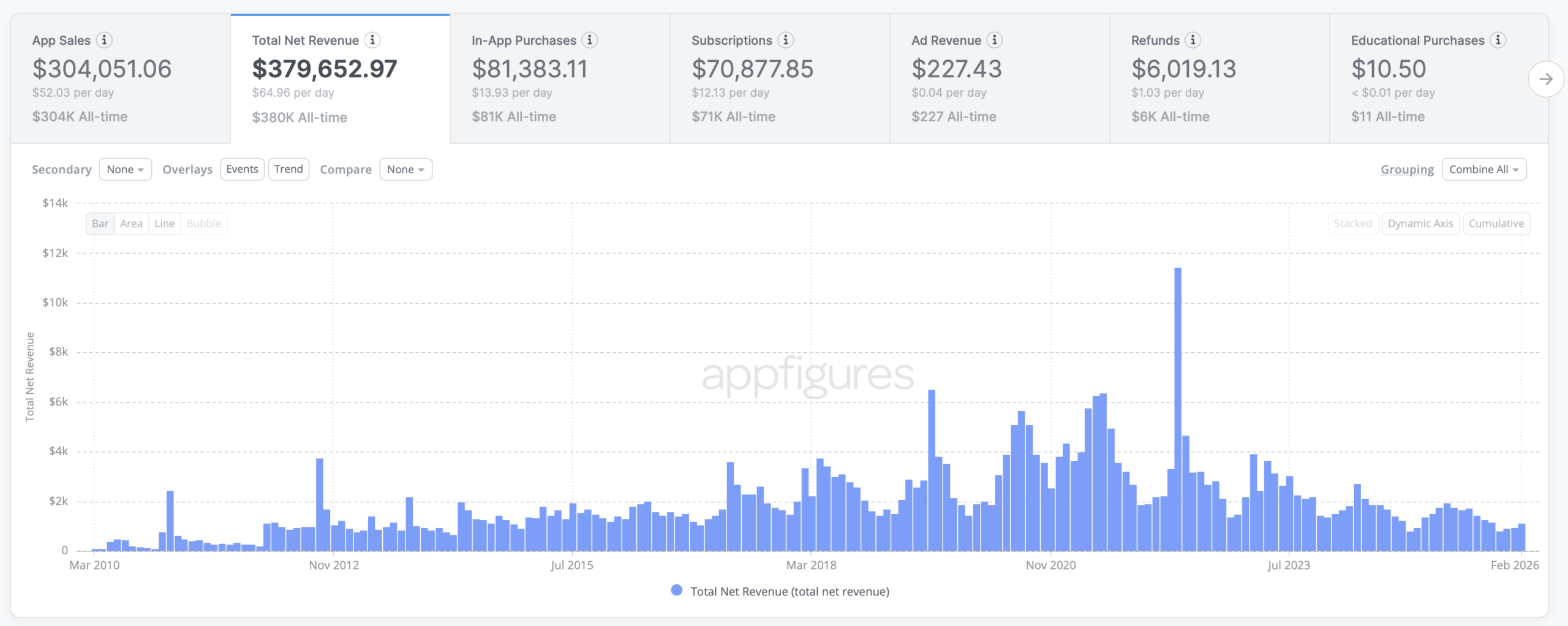
Revenue Figures – 2025
App Store sales have been down overall the past few years. Here is a snapshot of 2025.
- 2025 Gross Revenue: $20,773.28
- 2025 Net Revenue: $17,299.89 (after App Store fees and refunds are processed)
Keep in mind – we are splitting our net revenue 50% with our development partner. So no one is getting rich off of keeping these old apps updated and alive.
But it certainly provides a solid stream of beer money (and bonus, now real beer in Kansas grocery stores!).
State Lines in 2025 only earned $296.41 – making it hard to justify the 40+ hours of work and research that goes into each annual update.
We just released a major new update for 2026 – and we will keep it up as long as we personally find the app useful.
Observations & Lessons Learned
We never set out to be full time professional app developers – but app development has been a solidly worthwhile side business.
- Peak Year: 2021 – $48,749.34
- Best Month Ever – April 2022: $11,439.26
April 2022 was when US Public Land was organically featured in a wonderful video by Cheap RV Living – inspiring a whole new audience to add our humble little app to their toolbox.
We shared a lot of other thoughts on lessons learned as developers in our “Nearly Ten Years in the App Store” post.
Here they are again, updated with a few more years of perspective:
- Outsource Ongoing Development – The best thing we ever did was find a partner to hand over the ongoing maintenance of our apps to. If app development isn’t a major part of our income, we just simply can’t let the ongoing maintenance rule that much of our work time. The continuing education required to stay on top of all the annual changes just isn’t worth it for part-time developers.
- Pricing Models Matter – Back when we started app development, subscriptions and in-app purchases weren’t available. We were forced into a single upfront fee model for apps that required consistent updates. Switching to subscription models later is difficult – existing customers expect their original terms to be honored. But giving 15+ years of free updates on an app like State Lines just isn’t sustainable.
- Advertising Networks Suck – We experimented several times over the years with free versions of our apps with advertising as a revenue source. The user experience was awful (with the networks often serving up embarrassingly tacky and spammy ads) – and the ad networks only pay out after you have accumulated an implausible amount of clicks. In the end it was a lot of work for very little return, and it just cheapened the look of our apps.
- Bundles Work – Apple lets us bundle our apps together at a discount into the ‘Technomadia App Collection’ and that has been a wonderful way to encourage people who like one to buy more – especially since you can complete your bundle after buying a first app.
- Ratings & Reviews – Bad reviews are demoralizing, and we actually found the higher we priced apps, the better ratings we got. Turns out, developers are probably the only ones who actually read reviews – so we quit really closely paying attention except for spotting bug reports. But the algorithm DOES pay attention to reviews – so we really appreciate when people give us good reviews to balance out the inevitable bad ones. If you have reviewed any of our apps – THANK YOU!
-
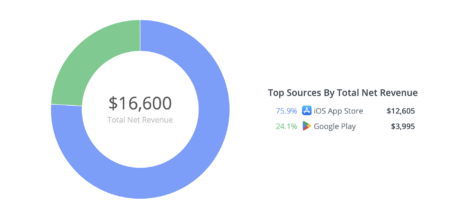
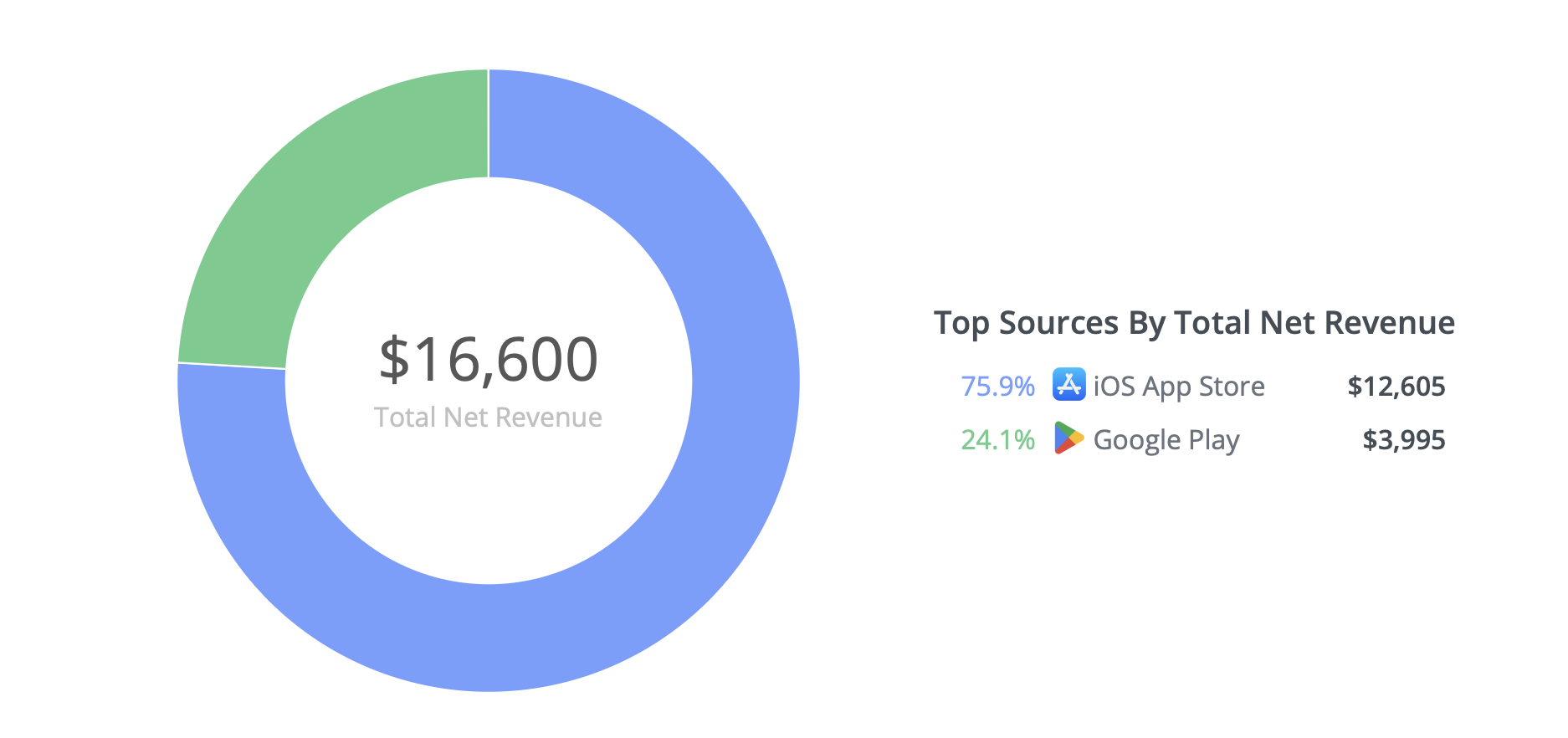
Our 2025 revenue share – iOS versus Android. The ratio has remained solidly consistent over the years. Android folks just don’t tend to spend money on apps… iOS vs Android – We’re personally solidly Apple people, and our apps were all originally released iOS only. After so many requests for Android versions – we at last came out with Android versions. All three apps have been out for years in both versions, but iOS still outsells Android 4 to 1. In comparing notes with other developers – it’s our observation that while there may be more Android handsets out there, there are more app purchasers with iPhones & iPads.
- Organic Exposure Matters – Our apps have thrived on word of mouth – especially when people with an audience share how they use them in their travels. We have never payed for being featured – we think honest organic endorsements is what builds true trust.
What Next?
We plan to keep updating our apps as long as it remains worthwhile to do so – so if you like our apps and want to see them live on, spread the word!
I enjoyed reading this informative and historical post. Hear Planet may have been before my time as a follower. I remember back when your first apps were created. I made the switch from PC and other cellular devices to Apple around the time I began following your posts. Thank you for sharing your creativity and your time into the development of these useful apps.