
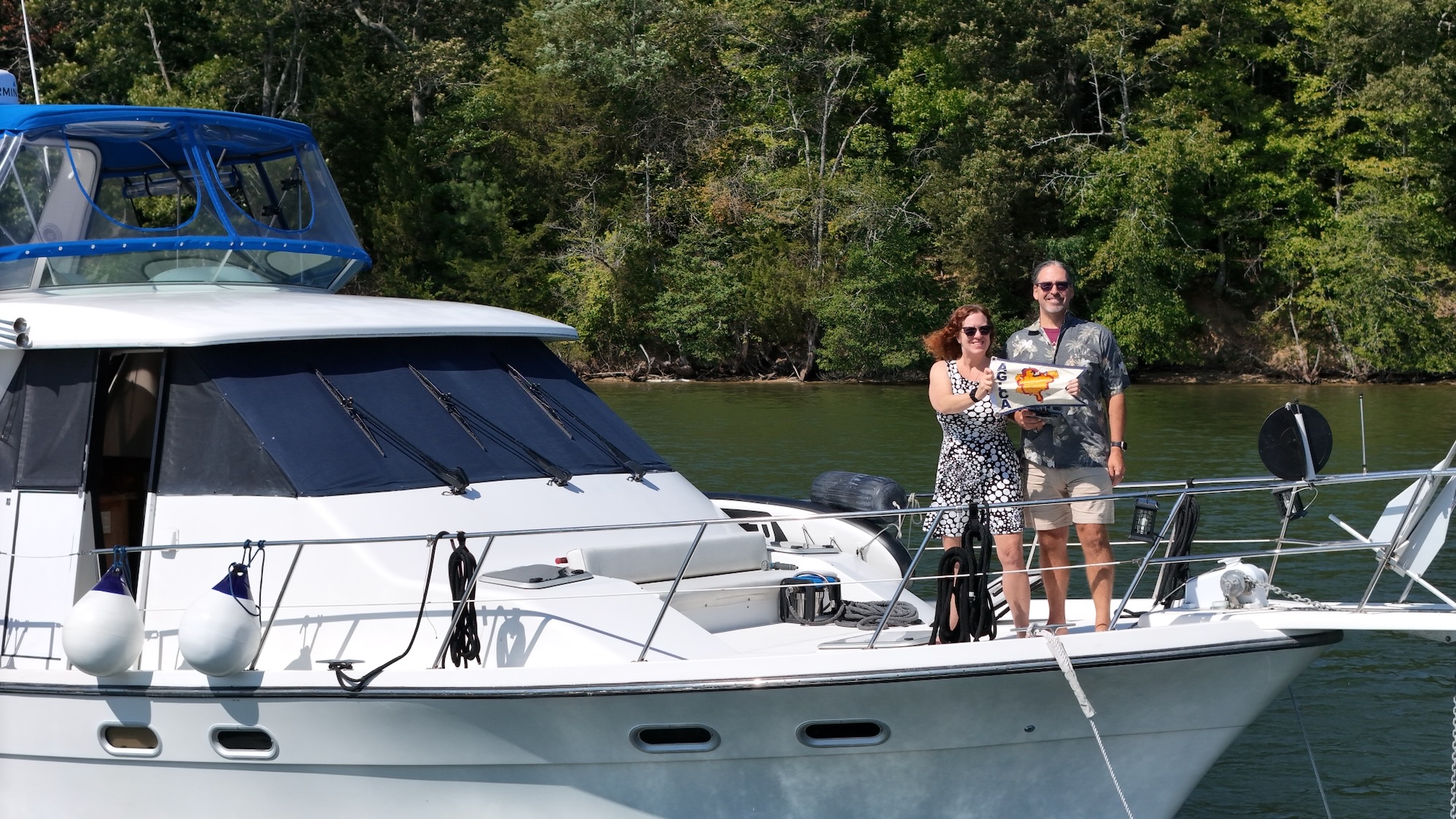
There has been an explosion of interest in the Great Loop lately – in large part due to legendary “Jon Boat Guy” Robert Yuouens becoming a viral sensation for racing around the Loop in just 19 days, 13 hours.
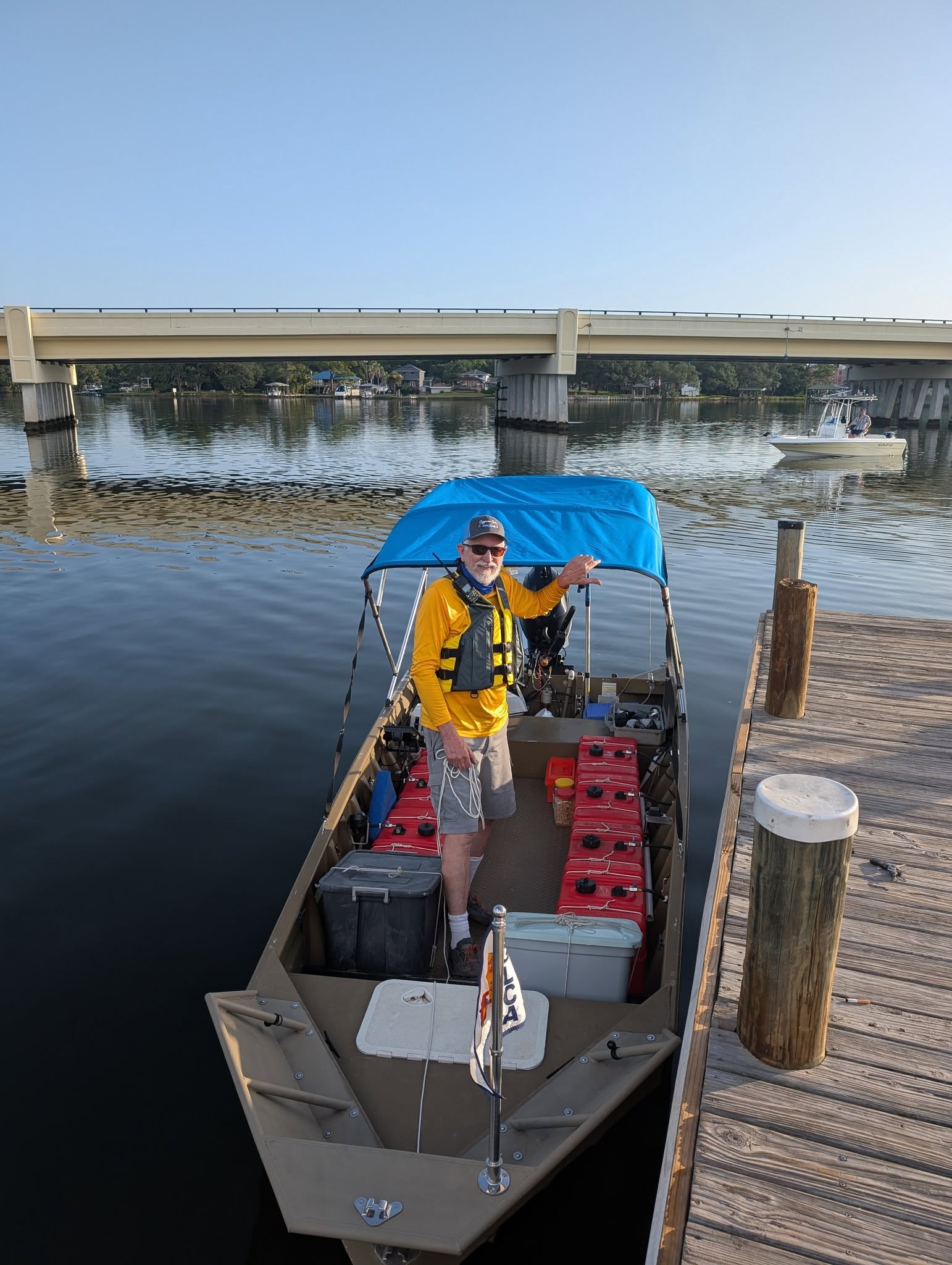
Solo.
In a ridiculously small jon boat.
His epic adventure has sparked a ton of debate – was he doing the Loop the right way?
Is there a right way to do the Loop?
A wrong way?
Just what is the Loop all about?
These are questions we’ve been fielding lately on our Facebook page, so we thought we’d address them in one spot.
As usual, here’s our video version of this post:
The Basic “Great Loop” Formula
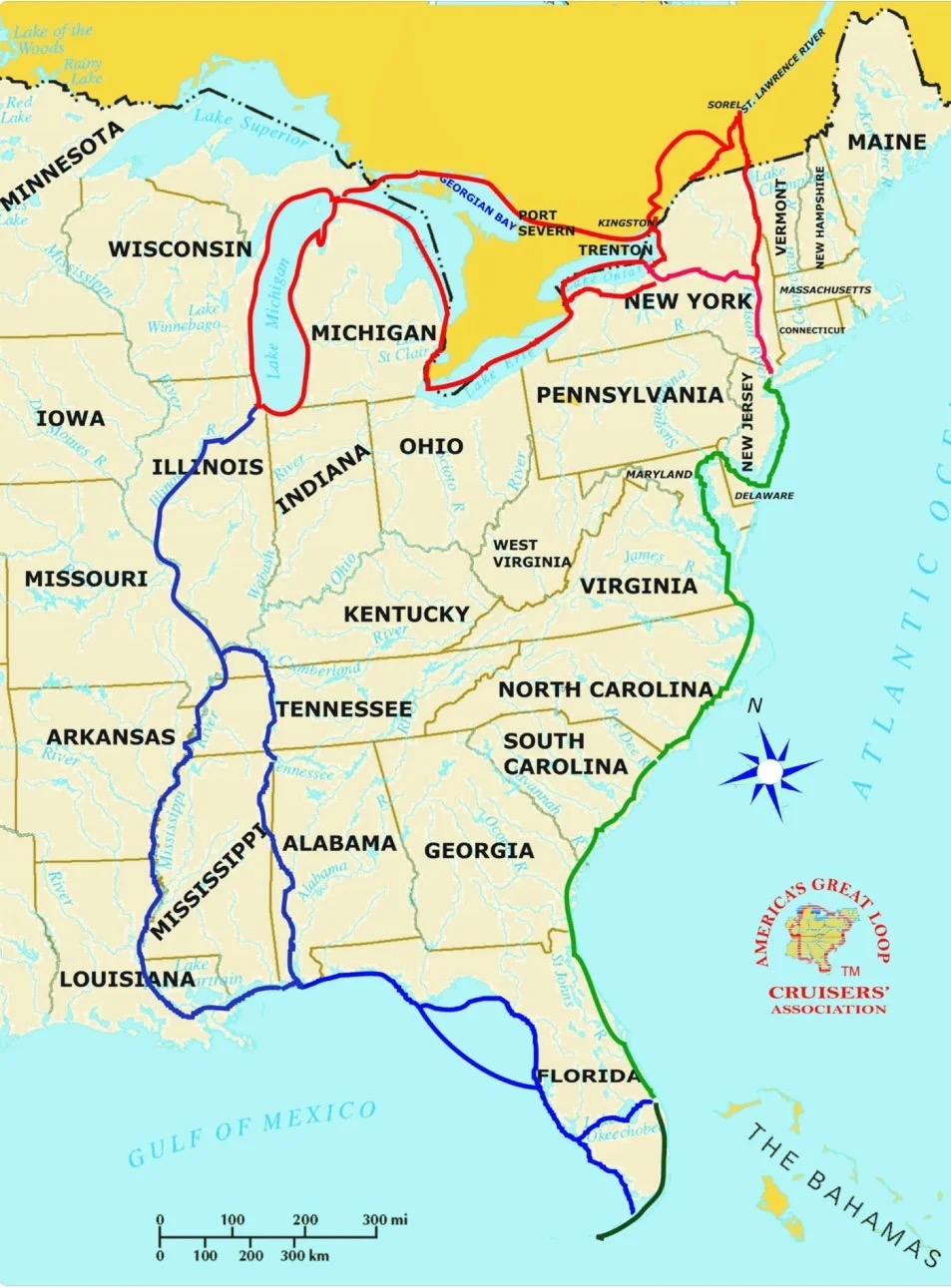
Put simply, the Great Loop is a circumnavigation of the eastern half of North America… by waterways.
The minimal typical mileage to complete this epic adventure is considered 5,250 miles (although Robert’s corner cutting got him down to only 4,800), but most Loopers log 6,000+ miles on their journey.
Fewer people complete the Great Loop each year than climb Mount Everest!
But unlike cruising around the world or across an ocean – the Great Loop is actually a very approachable cruising adventure.
Many even relatively novice boaters complete the loop, often learning as they go.
The closest thing to an authority on the Great Loop is the AGLCA (America’s Great Loop Cruisers’ Association), and they explain the basic Loop formula this way:
“Loopers cruise the 6,000-mile Great Loop route aboard their own boats completing a circumnavigation of the eastern U.S. and part of Canada via mostly protected inland waterways. The Great Loop route follows the Atlantic Intracoastal Waterway, the Chesapeake Bay, and the New York Canals northwards, goes across the Great Lakes, south on the Inland Rivers, and then east (across the) Gulf Coast to complete the Loop.”
BTW – we recommend anyone considering the Loop join to tap into the vast resources and community of the AGLCA.
The Traditional Loop Boat And Route
Though there is no one right way to do the loop – there is a traditional way that the vast majority of loopers pursue, especially their first time around.
There’s usually 100-200 boats every year doing the Loop this more traditional way – focused on completing the loop in roughly a year aboard a large enough to be livable cruising vessel, traveling counter clockwise.
But there are so many other potential way to tackle the loop!
And no matter how each of us Loops, we’ll all have our own stories to share.
All of them adventurous and inspiring.
The first challenge is picking a vessel – which is primarily constrained by the need to get under a fixed 19’6″ railway bridge in Chicago that can not be routed around.
Draft is also a concern – Loop route options will be extremely limited for vessels that require more than 5’ water.
But beyond this basic formula and constraints – there is no one right and proper way to do the Loop!
Here are some of the key considerations that every Looper must keep in mind.
Which Direction – Clockwise or Counter Clockwise?
A loop presents a basic choice – should you cruise clockwise or counter-clockwise.
- Clockwise – Doing the Loop clockwise would mean heading down the east coast and up the midwestern rivers. This is often considered “doing the Loop backwards” and the “wrong” way, since you will be fighting the current a substantial percentage of the route – taking a lot more time and using a lot more fuel.
- Counter-Clockwise – This is the traditional loop direction, taking advantage of upward locking and the natural flows of the river systems. Going counter clockwise you will essentially be coasting down hill much more of the way.
This is the reason the vast majority of Loopers choose to travel counter clockwise.
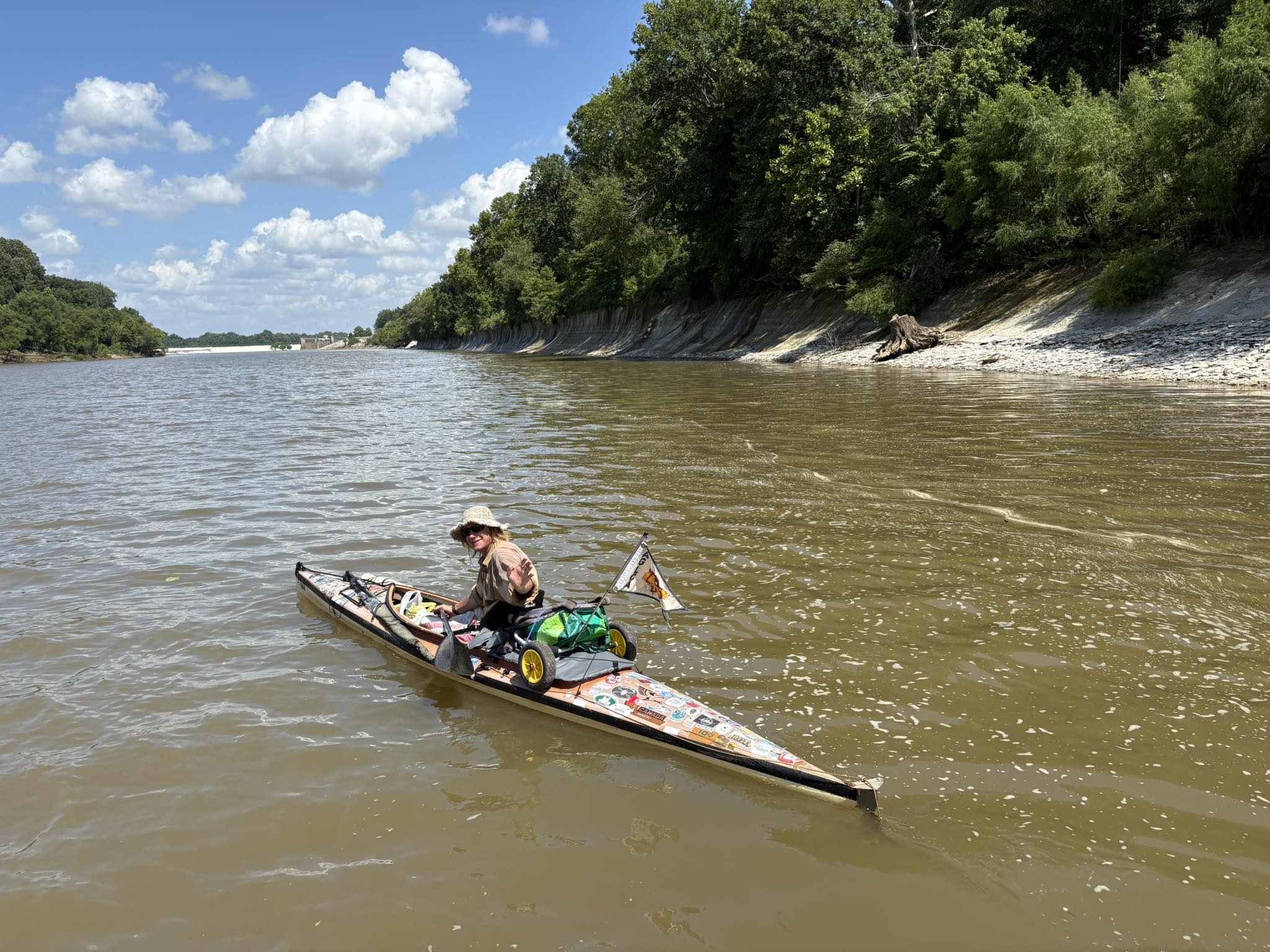
But some actually like to go against the mainstream.
If you want to follow an absolutely epic Looping adventure, Peter Frank is currently doing the Loop backwards in a small canoe – currently rowing UPSTREAM through the midwestern rivers.
He recently commented on the challenge:
“The Tennessee River is one of the only three rivers on the clockwise loop that are flowing with me excluding the Erie Canal, which didn’t have any noticeable current. All other waterways are either tidal, flat water or against the current. My total river miles with the current will be approximately 450 miles, which is only 9% of the 5,000 mile canoe trek.”
Wow – he is hardcore!
There is also one other directional variant…
- U-Shaped Almost Loop – An option for taller boats that can not make it under the limiting bridge in Chicago is doing a “Great U”, cruising much of the same territory but just not connecting the Loop at the top.
Great Loop Timing
There are several different ways to pace out a Great Loop adventure…
- A Year (roughly) – The traditional loop takes roughly a year and follows the seasons. Winter in Florida, Spring in the Chesapeake, Summer in Canada, and Fall on the inland rivers. The upside of this schedule is that you are maximizing the glorious weather days. The downside – you will be spending many days in motion, with limited time to enjoy extended stays.
- Segments – Doing the loop in segments is becoming more popular for those who can’t devote an entire uninterrupted year to the adventure. These folks cruise for a period of time (a few weeks or months), then store their boat, go back home, and then repeat.
-
Maybe us Sloopers need our own burgee? I quickly mocked this up.. Slooper – We personally consider ourselves Sloopers, aka “Slow Loopers” not tied to a set schedule or worried about keeping up with the pack. Being a Slooper does however mean that you will have to deal with the regional boating seasons and shutdowns. Sloopers either double back to warmer climates, hunker down for a winter aboard in the few northern places that allow for it, or they need to leave their boat behind in storage to pursue other winter adventures.
- Speed Runners – The opposite of Sloopers, speed runners are focused on completing the loop in the shortest possible time. Several new records have been set so far in 2025 – Robert Youens finished a solo Loop in 19 days, and the four person crew of Lady Lor rocketed around the Loop in just 12 days!
Great Loop Vessel Types
There is no one ideal type of boat for doing the Great Loop. It all depends on the kind of adventure that you are seeking.
Here are some options…
-
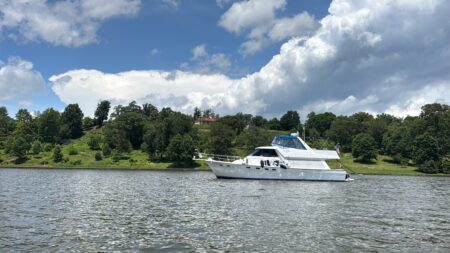
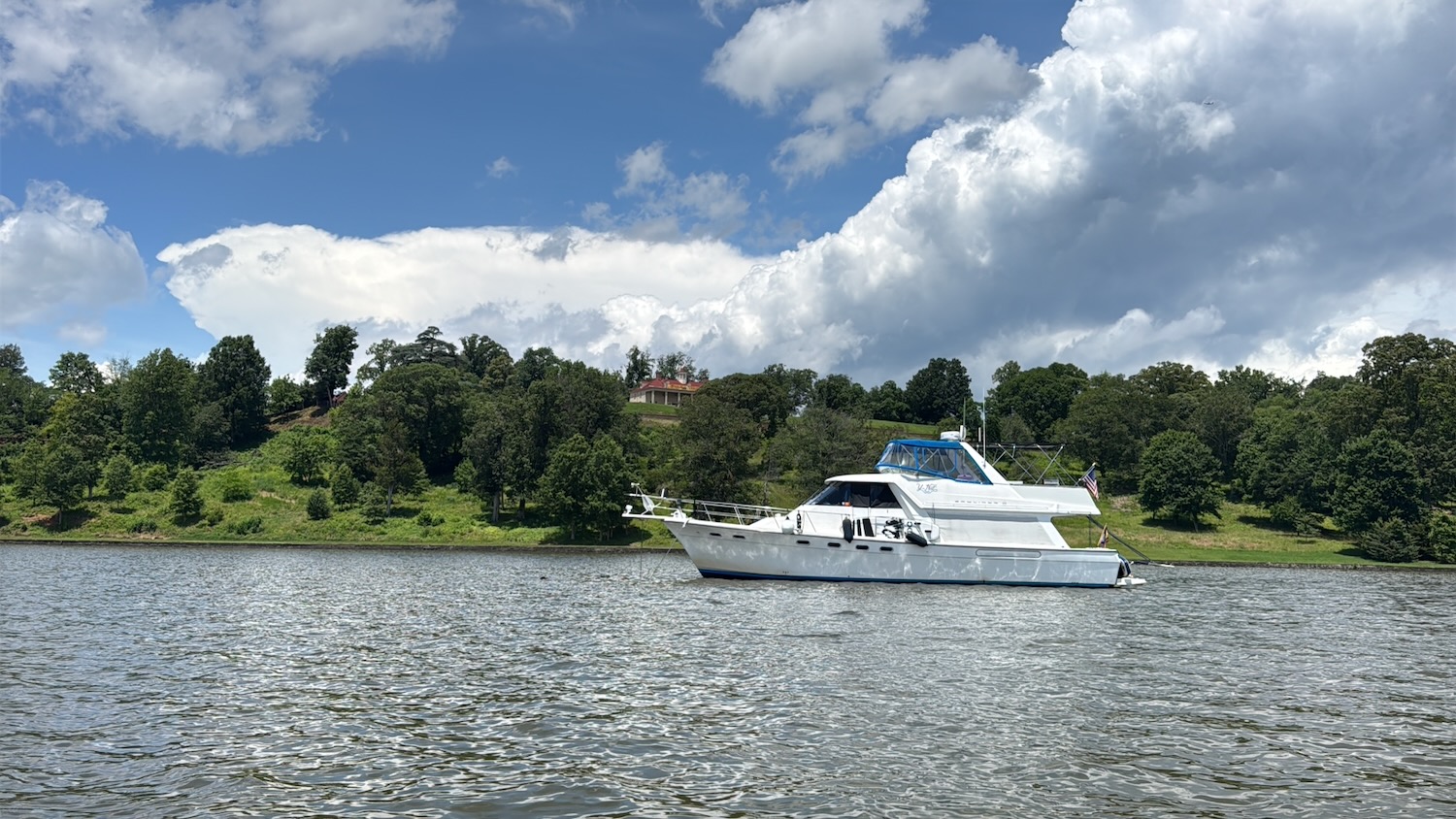
We selected a 47′ Bayliner 4788 motoryacht as our Loop vessel. Trawlers & Motor Yachts – Diesel trawlers 35’ – 50’ length are the most common looper boats, striking a nice balance between livability and affordability (see our Loop Boat Shopping Post). But smaller gas powered boats are certainly viable options as well.
- Sailboat – Much of the Loop route is not conducive to sailing, and fixed bridge height constraints will require sailboats to fully remove their masts for at least a substantial part of the journey. But despite this – many people do the loop in sailboats. Some people remove their masts and cruise with them strapped to their deck, others remove their mast and ship it ahead. For example – removing the mast in Albany, NY and shipping it to Mobile, AL is an option.
- Trailerable Boats – Most Loop boats are too big to be (affordably) transported over land. But some loopers do the Loop in smaller boats that can be launched and stored with a lot more flexibility.
- Unique Vessels – All sorts of unique vehicles have attempted the Loop. Canoes, pontoon boats, jon boats, personal watercraft, etc… All of these vehicles come with some major trade offs – but that is part of the fun of it for those who seek out this kind of adventure!
Looper Lifestyle
Another interesting way to segment out Loopers is whether or not they consider it a one-and-done adventure, or part of a bigger cruising lifestyle.
-
AGLCA members who have completed a single loop can acquire a Gold Burge to fly. One and Done – A lot of Loopers buy a boat focused specifically on the dream of doing the Loop. Once they complete the trip and earn their gold burgee – they immediately sell the boat, often to a future Looper.
Sometimes Looper veteran boats are offered up for sale in advance of the owner even finishing the Loop, with the hope of handing an already outfitted boat immediately off to a new owner looking to repeat the adventure.
-
Those who have completed more than one Loop can acquire a Platinum Burgee. Repeat Looper – Some people complete the Loop every year, or every other year.
Keeping this up can be an exhausting pace, but you are always chasing perfect seasonal weather, and you get to know your favorite stops and can explore the stops you didn’t have time for the first time around.
- Lifestyle Cruiser – There are many cruisers who do the Loop who do not specifically and strongly identify as Loopers. They just enjoy the cruising lifestyle, and Looping just happens to be one (of many) adventures on the menu. This is where we’ve more generally found ourselves identifying.
Alternative Routes & Side Trips
There is no one set official Great Loop route – and one reason so many loopers repeat is so that they can experience more of the alternatives and side trips.
Here are some of the common options on the Looper menu:
- Inside or Outside (ICW) – One of the key selling points of the Great Loop is that it almost entirely avoids exposure to the open ocean. The Atlantic ICW and other waterways keep almost the entire east coast route relatively sheltered, other than a brief jaunt into the Atlantic to round Sandy Hook into New York Harbor.But the intracoastal waterways in New Jersey are notoriously shallow, so many loopers wait in Cape May for a calm weather window to skip over NJ entirely on the outside.And repeat loopers also often look to skip over parts of the Georgia and Carolina low country by going outside, speeding past areas that they have explored before.
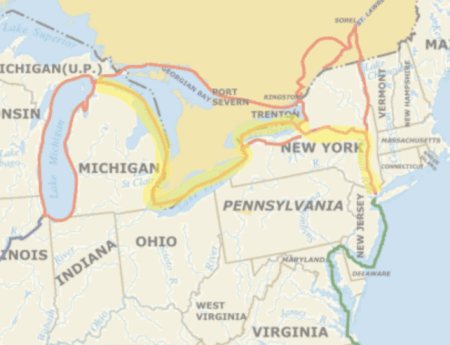
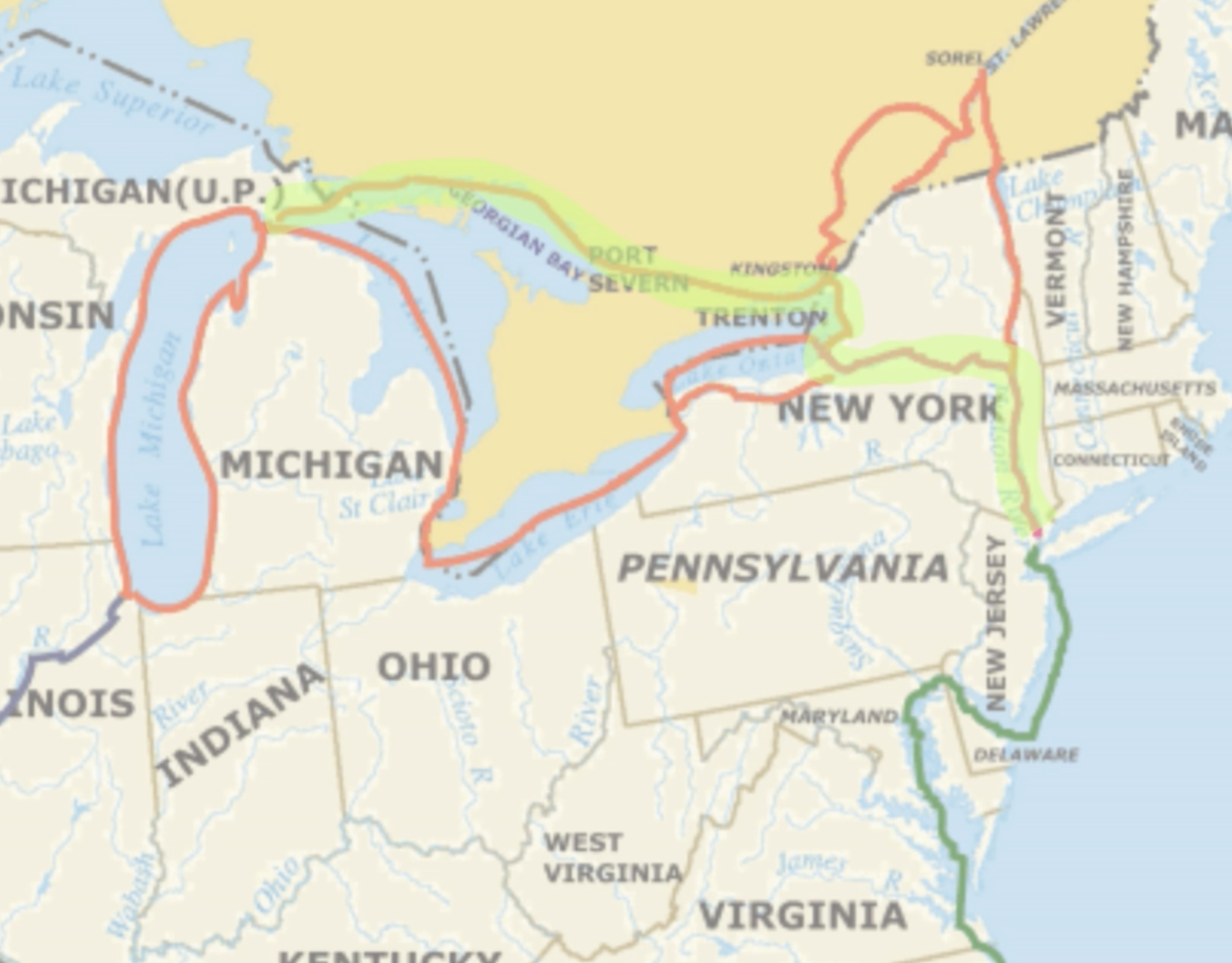
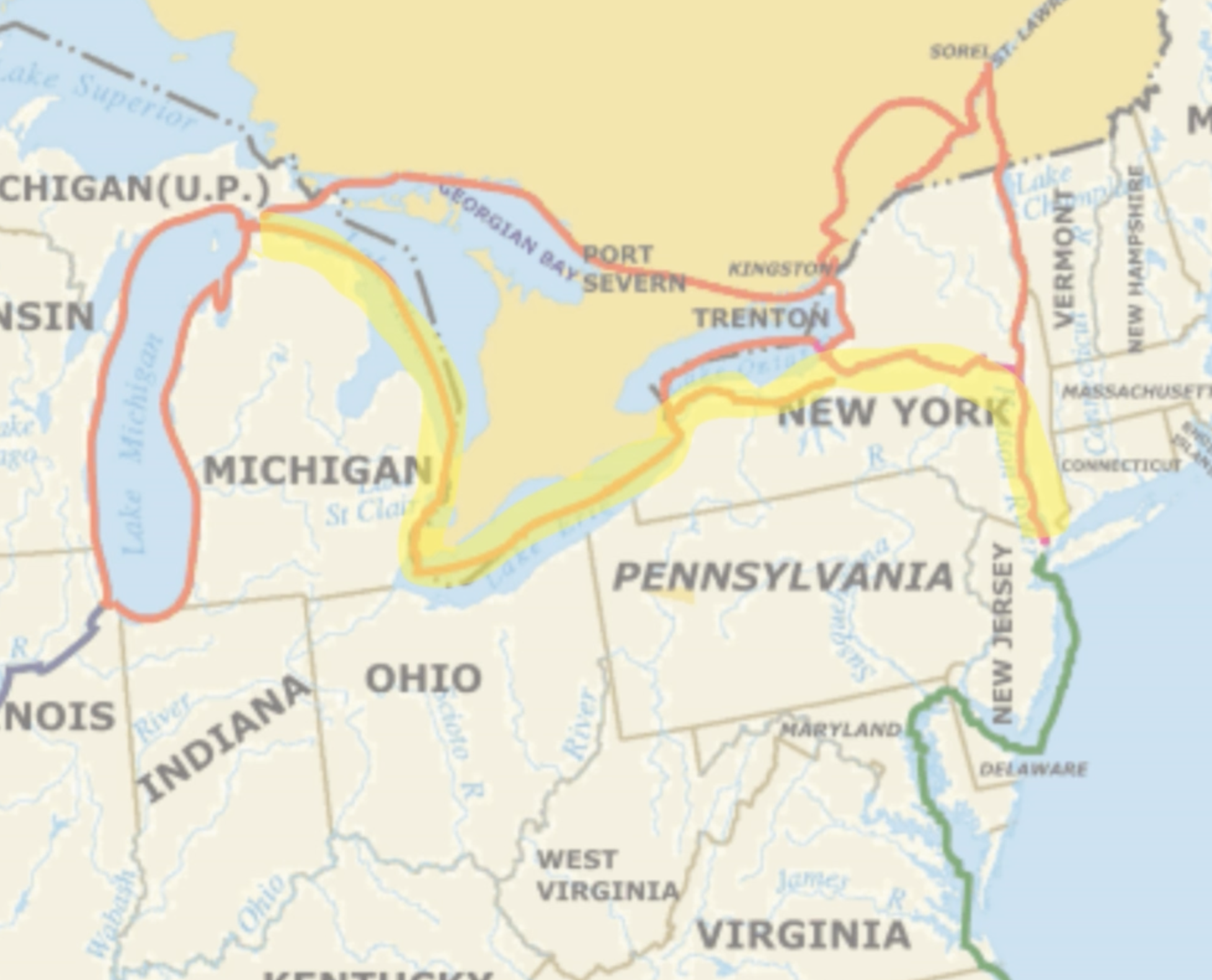
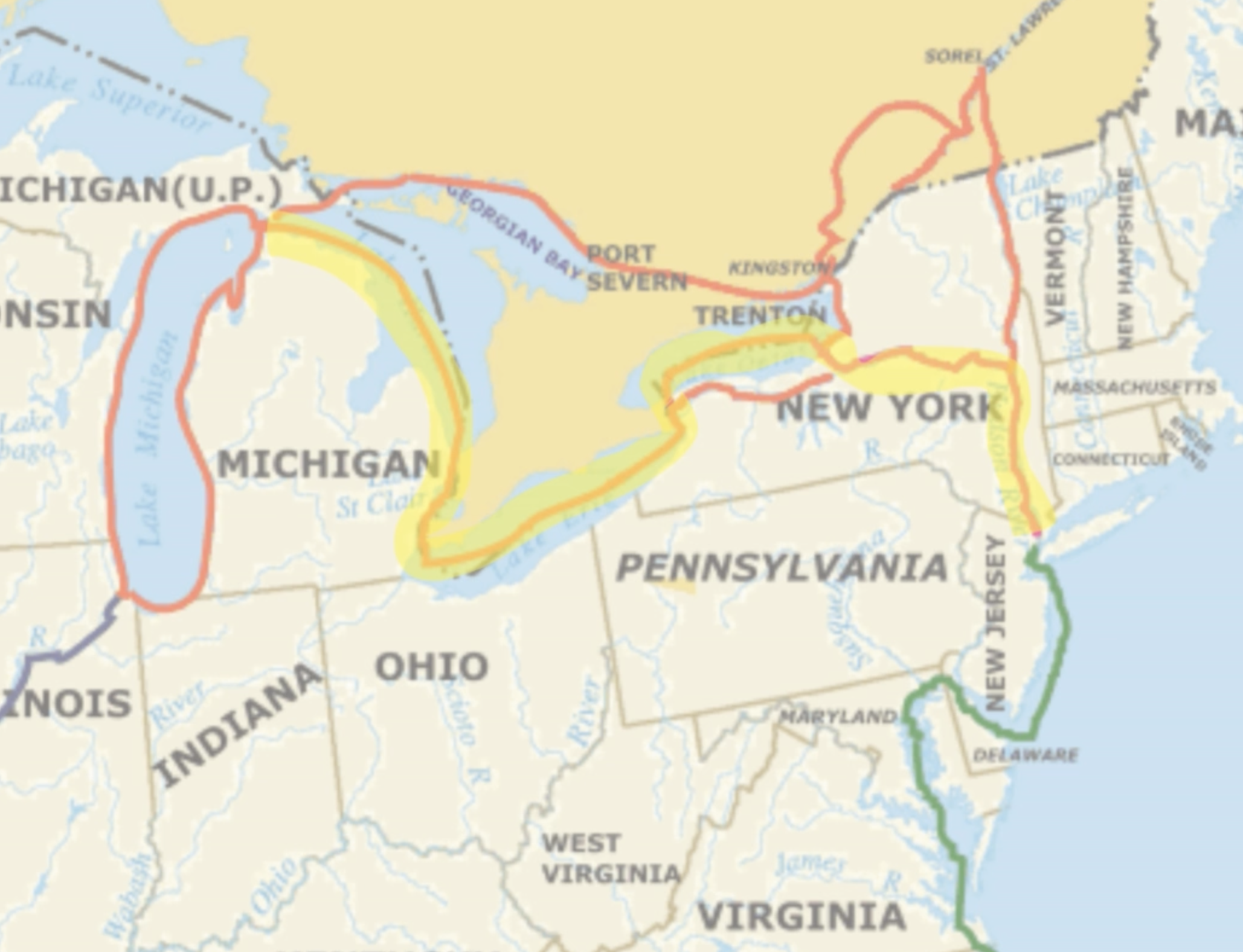
- Oswego Canal / Trent-Severn – This is perhaps the most common and iconic Looper route. Cruise up the Hudson to the Eerie Canal, turn off the Eerie canal to take the Oswego Canal to Lake Ontario, then take the amazingly scenic Trent-Severn Waterway to Georgian Bay and Lake Huron. This route bypasses Lake Eerie.
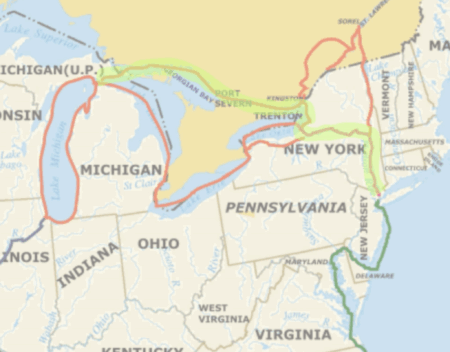
- Western Erie (USA-Only / No Canada) – Some Loopers can’t (or won’t) cross into Canada. It is possible to do the Loop completely within US waters by completing the full western Erie Canal (15’6” heigh limit) to Buffalo, NY, then staying on the US side of the Great Lakes. This route bypasses what many consider some of the most beautiful segments however.
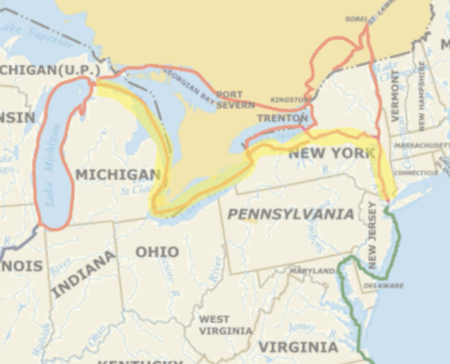
- Welland Canal Route – For boats that are too large for the Trent-Severn or Western Eerie Canal, you can cruise Lake Ontario then join the big ships on the Welland Canal to Lake Eerie. This is the only way that some larger boats are able to complete the Loop.
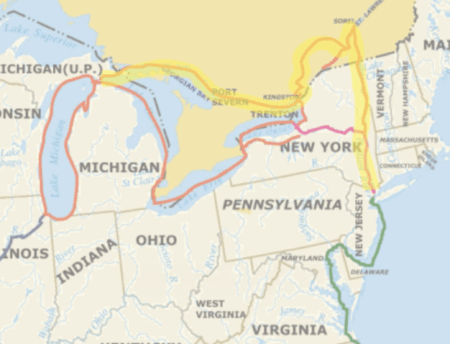
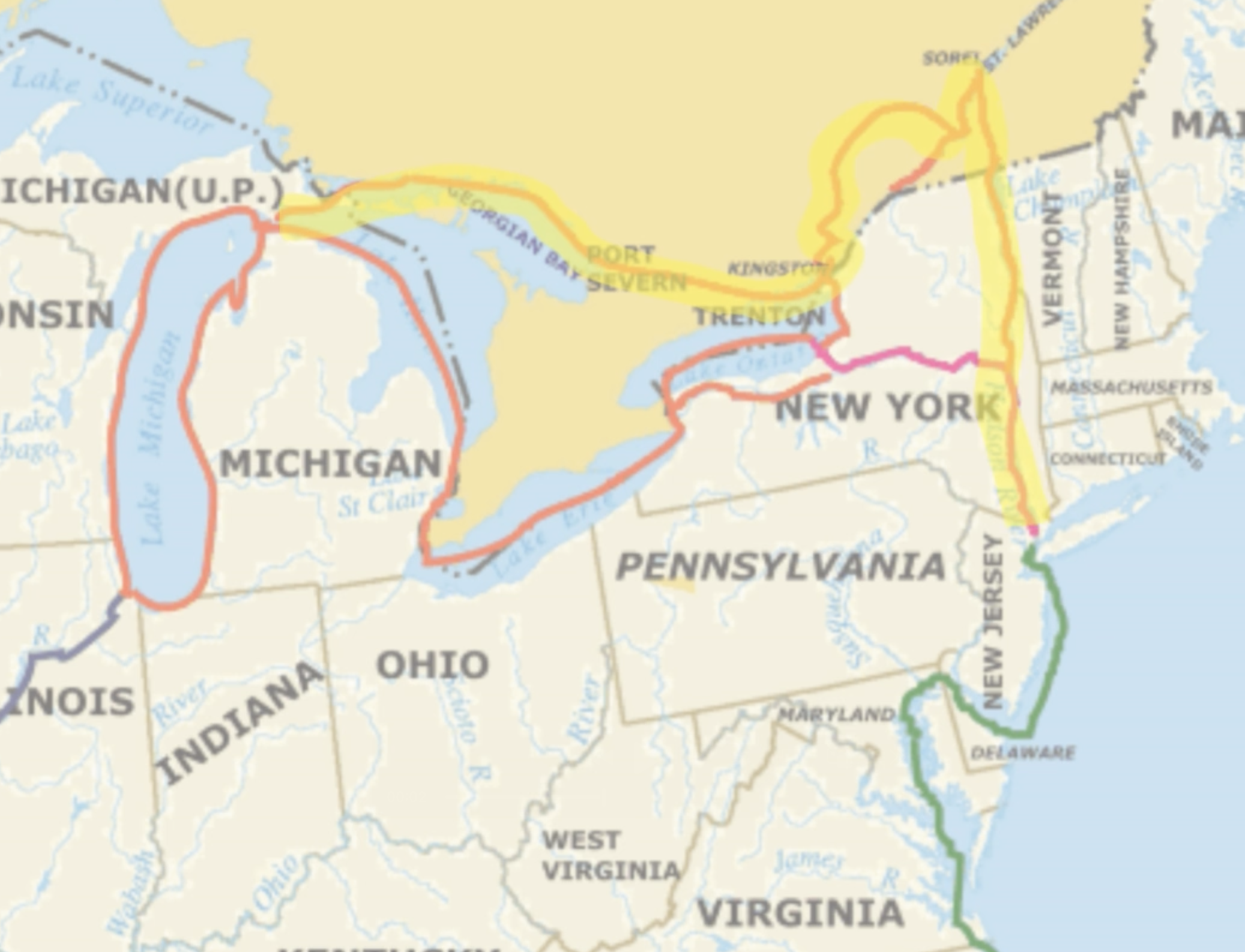
- Lake Champlain Route – An alternative to the Eerie Canal is to take the Hudson River and Champlain Canal up to Lake Champlain, and then the Chambly Canal to the Saint Lawrence River and Montreal.From here you can cruise up the Saint Lawrence River to Lake Ontario, or skip fighting the river current and take the Ottawa River to the Riddeau Canal, passing through Ottawa on the way to Lake Ontario. To get to Lake Champlain requires getting under a 17’ fixed bridge, making this route an impossibility for som.
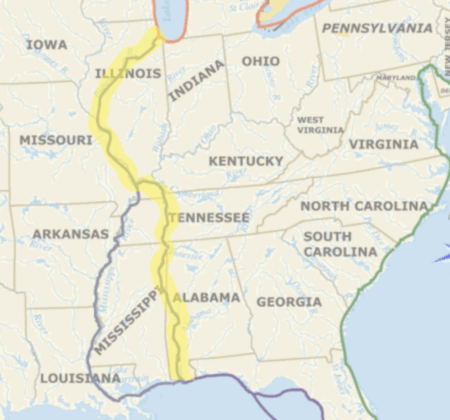
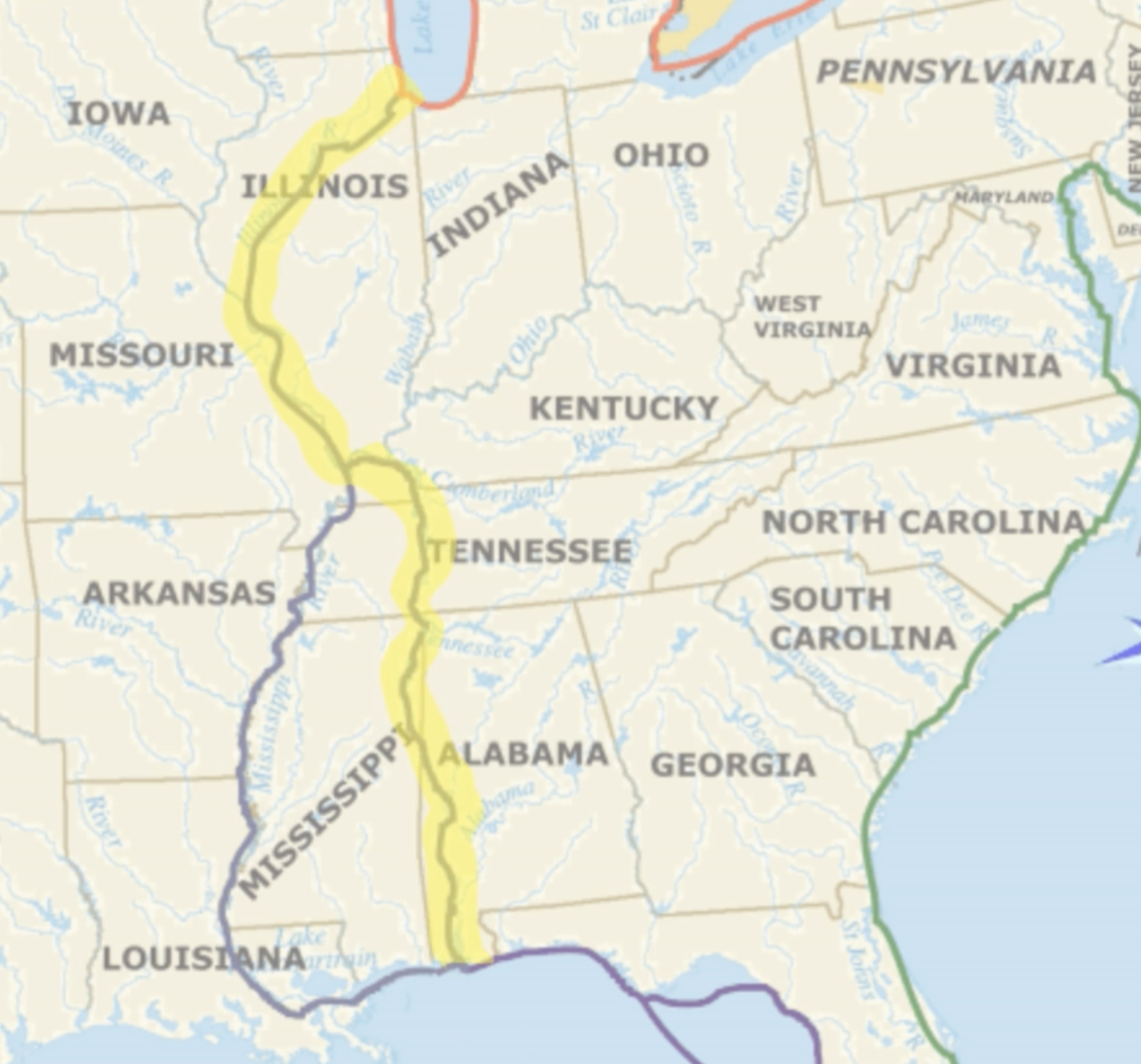
- Lower Mississippi vs Ten-Tom – Every Looper needs to cruise the Mississippi from the Illinois River to the Ohio River convergance, passing St. Louis.Most Loopers then turn up the Ohio and then cruise up the Tennessee River and through the Ten-Tom waterway, ending up in Mobile, AL.Only a very few cruise the lower Mississippi past Memphis and to New Orleans. There are few places to stop, limited fuel options, and massive barges to deal with for those who choose this rare adventure.
- Gulf Crossing – Most Loopers wait for a weather window and do a long overnight Gulf crossing from Appalachacola to Tarpon Springs. Some however choose to hug the coast and cruise the armpit of FL, stopping in places like Cedar Key.
- Florida Options – There are two ways to Loop through FL. If the lake levels are deep enough, you can cross the middle of the state via the canals from Fort Myers through Lake Okeechobee to Stuart on the east coast.Or you can circle all the way down through the Keys, crossing either in Marathon or all the way down to Key West.Some Loopers passing through FL also swing wide for a jaunt through the Bahamas.
- Down East Loop & New England Explorations – One other alternative sometimes taken by experienced cruisers who have already done the traditional Loop and who are looking for a unique challenge is to head down the Saint Lawrence River to then circle around Nova Scotia to Maine and New England.
Other Interesting Side Trips
There are so many great side trips too – here are some of the highlights that many Loopers confined to the traditional schedule just don’t have time for:
- St. Johns River to Sanford, FL
- Cruising around the Chesapeake Bay & Rivers
- Potomac River to DC
- Long Island Sound Explorations
- River Cruise to Chattanooga & Nashville
- Ohio River to Pittsburgh
- Upper Mississippi to Minneapolis
- Lake Superior
- And more!
There is SO much to see along the Great Loop – no matter how you build your own adventure!
Thanks for showing all the various routes – there were some up north I wasn’t aware of at all so it was very interesting.
The right/wrong way discussions always make me smile. It’s the same with thru hiking, esp on the Appalachian trail. There always seem to be those who stress over how someone else is doing their trip! Discussions about the ‘experience’, whatever it’s supposed to be. Fast vs traditional of course are different and that’s actually the point. Someone doing a fast record setting trip isn’t after the same experience and the slow or traditional would drive them nuts most likely. At least here there aren’t as many variations to cause ‘puffing up’ discussions. In hiking you’ve got those trying to create tiers of worthiness with slack packing, blue or brown blazing, supported, speed hiking or trail runners, purists etc.
Seems whenever there is a Journey with a label and a ‘prize’ at the end, you’ve got those who want to define the correct way to do that Journey. Control who gets the ‘prize’. So, kinda funny to find the same thing in boating! 😉
Great comparison! I think anytime there’s a defined route/adventure, there will always be those thinking outside the box to make it their own.
This is an amazing explanation of the loop. We try to explain it to people and they can’t see it. We did a segment of the loop when we bought a boat in Jacksonville, Florida in 2015 to Michigan. It was amazing! But, we were still working and had only thirty days to do it. We missed soooo much. Slow looping is the way to go!
Sounds like you took the best advantage of the time period you had available. and that’s amazing!
Slow and Steady… setting a speed record is cool? But how many people and places do you miss when flying thru?
On the other hand, how many people does someone pursuing a speed record inspire to think outside their comfort zones? And in particular, Robert inspired a huge community of folks who showed up at multiple points in his journey to assist or cheer.